The £120 Sitting in Your Old iPhone: Selling Up Before You Buy Refurbished in 2026

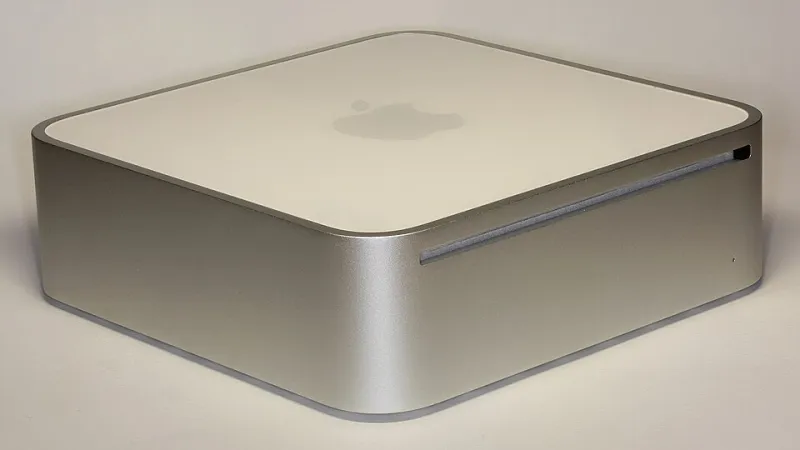
Photo: Lacu Schienred, CC BY-SA 4.0, via Wikimedia Commons
Trade-in is not really a price. It is a price plus a promise: no listing, no stranger at the door, no courier queue. In 2026 that promise is worth something — but usually not £120.
If you are funding a refurbished Apple purchase, the old device in your drawer is the most overlooked discount in the house. The trick is knowing when to cash it in and when to sell it yourself.
The quote is not the value
Here is a rough guide for good-condition devices in November 2026. Assume an iPhone 13 128GB, an iPhone 14 128GB and an M1 MacBook Air with 8GB RAM and a 256GB SSD. All figures are before any haggling, fees or inspection adjustments.
| Device | Apple Trade In | Big postal recycler | Refurb specialist part-exchange | Private sale |
|---|---|---|---|---|
| iPhone 13 128GB | £165–£185 | £180–£210 | £200–£230 | £270–£300 |
| iPhone 14 128GB | £245–£270 | £260–£290 | £290–£325 | £350–£385 |
| M1 MacBook Air 8/256 | £230–£260 | £260–£300 | £300–£340 | £370–£410 |
Those ranges are not promises. They are the shape of the market. Apple Trade In is the cleanest experience: you answer a few questions, get a quote, and if the device matches, the credit is straightforward. Postal recyclers often advertise slightly more, but the final figure can move after inspection. A scratch that you called light wear can become ‘faulty’ or ‘poor’ in someone else’s grading sheet, and the revised offer lands after you have already posted the phone.
Refurbished specialists sit in the middle. Their part-exchange quote is often tied to buying from them, which can make it more generous than a cash quote — especially if they add a small uplift for a warranty-protected refurb. Private sale still wins on raw price, but only if you are honest about the hassle.
Where the money leaks
Marketplace fees are the obvious one. eBay’s final value fee on a phone or laptop generally takes a double-digit bite, and postage and insured delivery can add another £8–£12. Vinted has no seller fee in the usual sense, but buyer-protection charges and postage still shape what the buyer will pay. Facebook Marketplace is fee-free until someone asks you to post it to a ‘cousin’ and pay by a link that smells wrong.
Then there is the hassle factor. A private sale means photographs, a truthful description, answering questions about battery health and cycle count, and dealing with people who offer £80 less ‘for cash today’. It means packing the device properly, insuring it, and hoping the buyer does not open a case because they changed their mind. None of that is impossible. It is just work, and it is the work that trade-in is quietly charging you for.
A realistic private sale might net £100–£130 more than Apple Trade In on an iPhone 13 or iPhone 14, and £140–£160 more on an M1 MacBook Air. After fees and postage, the gap narrows. It rarely disappears.
The bits people forget before selling
None of this matters if the buyer cannot activate the phone. Before any sale, back up the device, sign out of your Apple Account, turn off Find My, and erase all content and settings. On an iPhone, remove the eSIM or transfer it to your new phone, take out the physical SIM, and deregister iMessage and FaceTime so messages do not follow the handset. On a Mac, sign out of iCloud, turn off Find My Mac, erase the drive and reinstall macOS. If you set a firmware password, remove it. If Activation Lock is still on, the buyer is holding a paperweight.
For both, keep the original box and charger if you have them — they add maybe £10–£20 to a private sale and make the listing feel less sketchy. Take photos of the screen and chassis in good light, and mention any dents before someone else finds them. A truthful listing protects you as much as the buyer.
When trade-in is genuinely smarter
If the phone has a cracked back, a tired battery, a faulty camera or a history of repair, the private-sale premium shrinks fast. Buyers discount damage heavily, and you will spend evenings explaining it. At that point, Apple Trade In or a postal recycler is not lazy. It is sensible.
The same goes for low-value devices. The difference between £40 and £65 is not worth a fortnight of Marketplace messages. And if you are buying from a refurbished specialist anyway, a part-exchange can be the neatest option: one transaction, a warranty on the new device, and no separate sale to manage. Check the part-exchange quote against the cash quote, though. Some specialists are generous; some are not.
Convenience is not shameful. It is a service with a price. The mistake is assuming the first quote is the only one.
Turning the gap into a better refurb
Say you have an iPhone 13 and a £450 budget for its replacement. Apple Trade In offers £175. A private sale might bring £285. That £110 difference is not pocket money in refurb land. It can be the jump from a 128GB iPhone 14 to a 256GB one, or from a mid-grade example with 85% battery health to a better-graded unit with a fresh battery. On a Mac, £150 can be the difference between an 8GB and a 16GB M1 MacBook Air — the upgrade that decides whether the machine still feels comfortable in 2029.
That is the real trade-in illusion. The quote feels like free money because it arrives without effort. But the gap between convenience and a private sale is often exactly the gap between the refurb you settle for and the refurb you actually want.
Get three quotes before you decide: Apple, one postal recycler, and the specialist you are buying from. Then look at the private-sale sold prices, not the asking prices. If the extra £100–£150 matters to your next purchase, sell it yourself. If it does not, trade it in and move on. Just do it with your eyes open.