Pocket-Sized, Priced Right: The Refurbished iPhone 13 mini Case for 2026
Small phones are supposed to be dead. Every year the slabs get bigger, the hands get stretchier and the one-handed reach becomes a nostalgic party trick. Yet the iPhone 13 mini refuses to disappear from the refurbished market — and in 2026, that stubbornness is exactly why it deserves a closer look.
This isn’t a pitch for buying the newest thing. It’s a pitch for buying the right old thing. The 13 mini is the last true compact iPhone Apple made, and second-hand stocks are still decent. But it’s also a phone with a small battery, a ageing design and a software clock that’s ticking. So is it the UK’s smartest second-hand iPhone, or a cute little trap?
Why the mini still has a queue
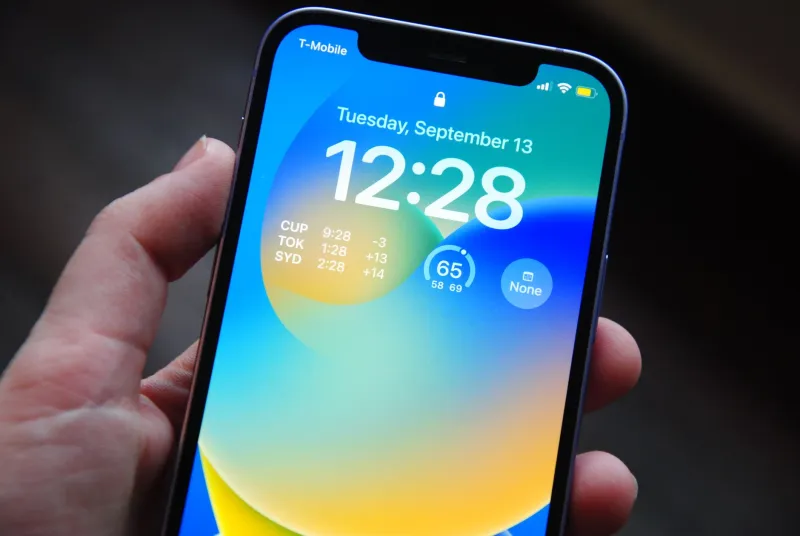
The appeal is simple: it’s a 5.4-inch iPhone that fits in a jeans pocket without a fight. It weighs 141g, which makes most modern phones feel like bricks. If you’ve ever balanced a large iPhone on your little finger while wrestling a shopping bag on the Tube, you already understand the market for this thing.
There’s also scarcity value. Apple hasn’t made a new mini since the iPhone 13 generation, and the rumour mill has mostly moved on. That means the refurbished pool is finite. It also means demand is oddly sticky: people who want a small iPhone really want a small iPhone, and they’re willing to pay a small premium for a good one.
The battery is the headline — and the caveat
The 13 mini’s biggest compromise is the one you can’t see. A physically smaller phone means a smaller battery, and the 13 mini’s cell is modest by modern standards. Apple’s own video-playback figures flatter it, but real life is less generous: a heavy user will be hunting for a charger by late afternoon.
That’s not a dealbreaker for everyone. If you’re a light-to-moderate user — messages, maps, music, the occasional photo — the mini can comfortably get through a day. If you’re a mobile gamer, a constant video watcher or someone who lives on hotspot duty, look elsewhere.
When buying refurbished, battery health is the number to interrogate. Anything at 85% or below is a negotiating point, not a bonus. A genuine Apple battery service costs roughly £85, so a cheap mini with a tired cell isn’t actually cheap. Ask for a screenshot of Settings > Battery > Battery Health, and check the cycle count if the seller can provide it. A phone with 500 cycles and 88% health is a different proposition from one with 900 cycles and 82%.
The software runway
The iPhone 13 mini launched in 2021, and in 2026 it’s still in the current iOS update cycle. That’s good news. Apple’s track record suggests it should get at least a couple more major iOS releases, followed by security patches. But it won’t last forever, and nobody should buy a 13 mini expecting to keep it until 2032.
Think of it as a sensible two-to-three-year buy. If you’re the kind of person who upgrades every 18 months, the software horizon barely matters. If you’re buying for a teenager or a parent who keeps phones until they physically crumble, factor the eventual update cliff into the price.
What to check before you pay
A refurbished mini needs the same vetting as any second-hand iPhone, with a couple of extra wrinkles.
- Battery health and cycle count. Below 85% means budget for a replacement. Below 80% and you’ll see the ‘Service’ message in Settings.
- Screen condition. The 13 mini uses an OLED panel, and replacements aren’t cheap. Check for burn-in, dead pixels and any sign of a third-party screen.
- Face ID. It should unlock quickly and consistently. A failed Face ID module is a expensive repair.
- Camera and flash. Test both lenses, the flash and video recording. Listen for any rattle from the optical stabilisation.
- Water damage. These phones are old enough to have lived in a bathroom or a rainy rucksack. Avoid sellers who won’t confirm it’s been checked.
- Activation Lock. Never pay until the seller has signed out of iCloud and Find My is off.
- Return window. UK consumer law gives you rights, but a clear 14- or 30-day return policy makes life much easier.
The price picture: mini vs SE vs 13 vs 14
In late 2026, a decent refurbished iPhone 13 mini tends to sit around £280–£360 depending on grade and battery health. That’s not far off a refurbished iPhone 13, and it’s usually more than a refurbished iPhone SE. Here’s the rough landscape.
| Model | Typical refurb price (UK, 2026) | Screen | Battery reality | Best for |
|---|---|---|---|---|
| iPhone SE (3rd gen) | £180–£250 | 4.7-inch LCD | Smaller battery, older design | Budget buyers who want Touch ID |
| iPhone 13 mini | £280–£360 | 5.4-inch OLED | Small cell, one-day light use | Pocketability obsessives |
| iPhone 13 | £300–£370 | 6.1-inch OLED | Better endurance | Most people |
| iPhone 14 | £380–£460 | 6.1-inch OLED | Better still, newer software runway | Longer-term keepers |
The mini’s premium over the SE buys you a much better screen, a newer chip and a far more modern design. Its price parity with the standard 13 is where it gets interesting: you’re paying for size, not specs. And the 14 is the sensible choice if you want the longest runway, but it’s bigger and pricier.
The arbitrage, if there is one
The ‘smart’ buy here isn’t the cheapest mini on the page. It’s a good-grade unit with strong battery health, a clear return policy and a seller who actually checks the device. Cosmetic scratches are fine — they’re the discount you’re being handed. A tired battery is not.
Buy in the £300–£330 range with 90%+ battery health and you’ve got a pocketable iPhone that feels premium, runs the current software and costs less than half a new flagship. That’s the Apple Refreshed sweet spot: premium hardware, second time around, without pretending it’s new.
The verdict
If you want a small iPhone and you’re honest about your battery habits, a refurbished 13 mini is a genuinely smart buy in 2026. It’s not the longest-lived option, and it’s not the cheapest. But it’s the only phone in the current market that does what it does at this size — and that makes it worth the queue.
If you’re a heavy user, a gamer or someone who wants to forget about charging, buy a refurbished iPhone 13 or 14 instead. The mini is a specialist tool. Treat it like one, vet it properly, and it’ll earn its place in your pocket.