The Safety Net Audit: Does AppleCare+ Make Sense on a Refurbished iPhone or Mac?

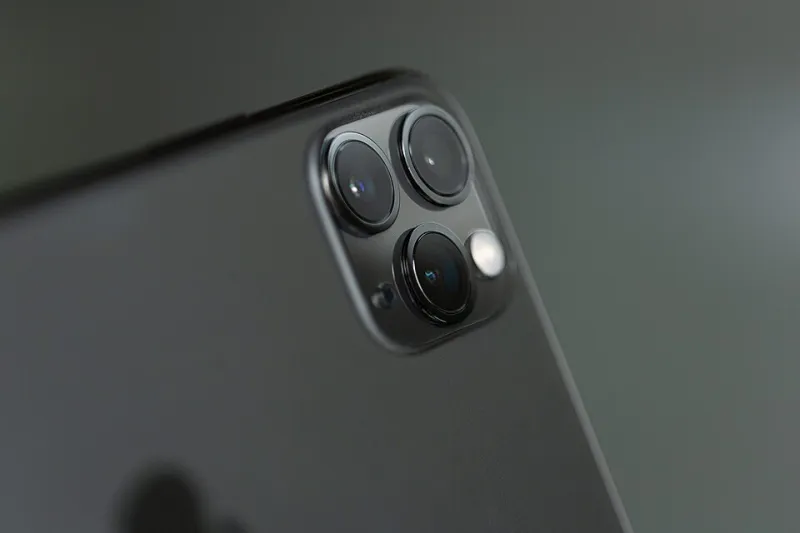
Photo: AppleCare+ documentation with refurbished iPhone and MacBook on UK desk, via www.dvdfab.cn
There is a particular kind of reassurance that comes from seeing the AppleCare+ box on a refurbished device listing. It feels like a grown-up has checked the thing and promised to fix it if it goes wrong. Sometimes that is exactly what it is. Sometimes it is a £200 blanket you do not need.
The only way to know is to separate what AppleCare+ actually covers from what your retailer, your statutory rights and a sensible repair fund already cover. Let us do that without the soothing music.
What AppleCare+ is — and is not
AppleCare+ is not a warranty in the Consumer Rights Act sense. It is a service plan that extends Apple support and adds accidental damage cover, usually for two or three years depending on the device. It does not cover cosmetic wear, loss or theft unless you have the Theft and Loss plan, and it does not turn a tired battery into a new one until capacity drops below Apple's threshold — generally 80%.
On a refurbished device, that distinction matters. If the fault was there when you bought it, your claim is against the retailer under the Consumer Rights Act 2015, not against AppleCare+. If you drop it down the stairs, AppleCare+ is the thing that helps.
Who can actually buy it on a refurb?
This is where many buyers get caught. Apple Certified Refurbished devices are straightforward: they come with Apple's one-year limited warranty and you can usually add AppleCare+ at checkout or within the eligibility window. Third-party refurbished devices are messier.
Apple generally requires AppleCare+ to be purchased within 60 days of the original purchase date, subject to a diagnostic check. If you are buying a two-year-old iPhone from a refurb shop, you almost certainly cannot add it now. If the device already has AppleCare+ attached, you may be able to take it over when you buy second-hand — but you need the seller to transfer it properly, and you should get the agreement number and proof of purchase in writing.
Proof of purchase is not red tape for its own sake. Apple may ask for it when you make a claim, especially on a device that has changed hands. Keep the retailer invoice, the serial number and any AppleCare+ documentation together. If the seller cannot provide them, assume the cover is not transferable and price the device accordingly.
The overlap problem
Most UK refurbishers offer a 12-month warranty. That usually covers hardware faults that were not caused by you. The Consumer Rights Act 2015 goes further: goods must be as described, of satisfactory quality and fit for purpose. In England and Wales you can generally pursue a remedy against the retailer for up to six years from delivery; in Scotland it is five. The first 30 days give you a short-term right to reject, then repair or replacement, then a price reduction or final rejection if things go badly.
That is a decent safety net already. AppleCare+ adds convenience and accidental damage cover, but it does not replace your statutory rights. If a refurbished MacBook develops a fault that was present at purchase, you do not need AppleCare+ to get it sorted. You need the retailer to honour the law.
So the real question is not whether AppleCare+ is nice to have. It is whether the extra cover is worth the premium on top of the protection you already have.
The numbers: claim fees versus refurb prices
AppleCare+ is not claim-free. At the time of writing, Apple's UK terms list service fees around £25 for an iPhone screen or back glass, £79 for other iPhone accidental damage, and up to £229 for some Mac damage. Watch and AirPods claims are usually cheaper, but the cover itself is less useful on devices with short lifespans. Always check the current Apple page before you buy — the numbers move.
Now compare that with the device. A £280 refurbished iPhone 13 with a £85 battery service and a 12-month retailer warranty is already well protected. Adding AppleCare+ can easily cost a quarter of the device price. If you are careful with your phone, that is poor maths.
A £900 refurbished MacBook Pro is a different story. A logic board repair can cost more than the AppleCare+ plan itself. If you travel with the laptop, spill coffee with alarming regularity, or rely on it for work, the cover can earn its keep.
A decision framework by device, age and grade
iPhone
Under £300, Grade B or C, older than two years: skip it. Put the money towards a battery service and a decent case. Over £600, recent model, Grade A, and you are clumsy or travel a lot: consider AppleCare+ with Theft and Loss, but only if the monthly cost is comfortably under 10% of the device price.
MacBook
Under £500: usually skip. The cover is expensive relative to the device, and a 12-month retailer warranty plus your statutory rights covers the basics. Over £800, recent model, used for work: consider it. Mac repairs are painful, and a single accident can wipe out the savings you made by buying refurbished.
iPad
Under £250: skip. The cover often costs a large fraction of the device, and iPads tend to live on sofas rather than building sites. Over £500, used by a child or taken to school: consider it, but check whether your home insurance already covers accidental damage.
Apple Watch
Skip unless it is an Ultra or a very expensive model. Watch repairs are annoying, but the cover is usually poor value against the refurb price. A screen protector and a case are cheaper therapy.
AirPods
Skip. AppleCare+ can be cheap, but AirPods batteries are not realistically serviceable. When they fade, you replace the set. The cover does not change that.
The verdict
AppleCare+ on a refurbished Apple device is not automatically a smart buy or a waste of money. It is a bet. You are betting that the cost of accidental damage, multiplied by the chance of it happening, is higher than the plan price plus claim fees.
For cheap, older, well-warranted refurbs, that bet usually loses. For expensive, recent devices that leave the house and would be expensive to repair, it can win. Buy the safety net when the fall would hurt. Skip the comfort blanket when the retailer and the law already have you covered.